
Wealth has never been more mobile and with this increased global mobility comes a heightened demand for international schools. Research from the Independent Schools Council underlines the point: today, 7.7 million pupils are enrolled at international schools, a 15 per cent rise in student numbers since 2020.
“International schools are a key element in location decisions as they often offer International Baccalaureate (IB), British A-levels or American AP courses, all widely accepted by leading universities,” says Kelcie Sellers, Associate Director, Savills World Research. “These schools offer consistent curricula, [which is] often in English, essential for mobile families looking to minimise academic disruption.”
In an increasingly connected world, an international outlook is also critically important, says George Hartley, Head Master at Brighton College Madrid: “One of the greatest strengths of an international school is the diversity of its community. The young people in our schools today will go on to study, work and collaborate across continents, so education should prepare them not only for the world as it is today, but for the world they are likely to inhabit in the future.”
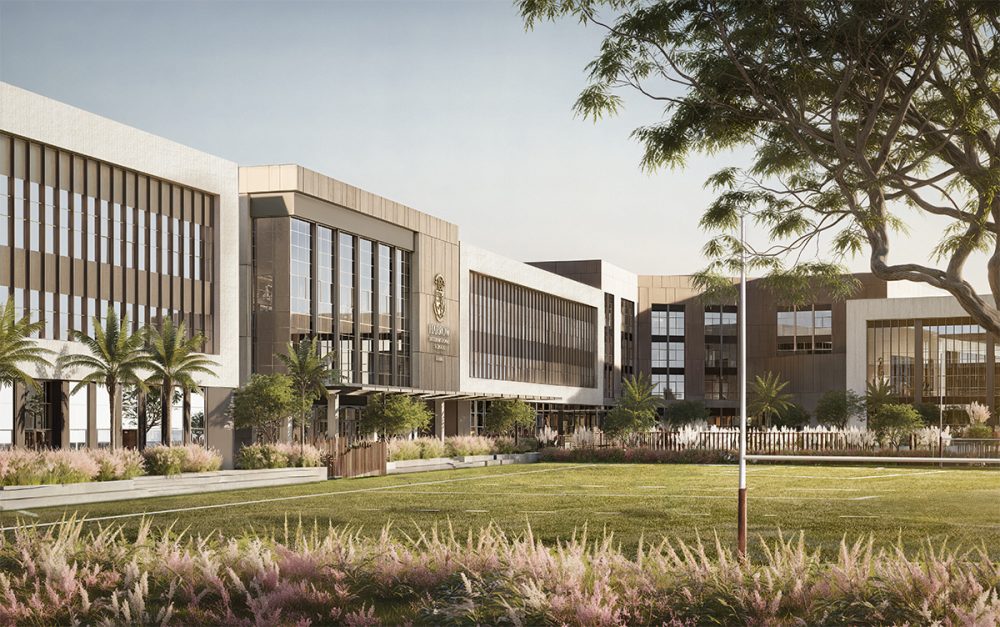
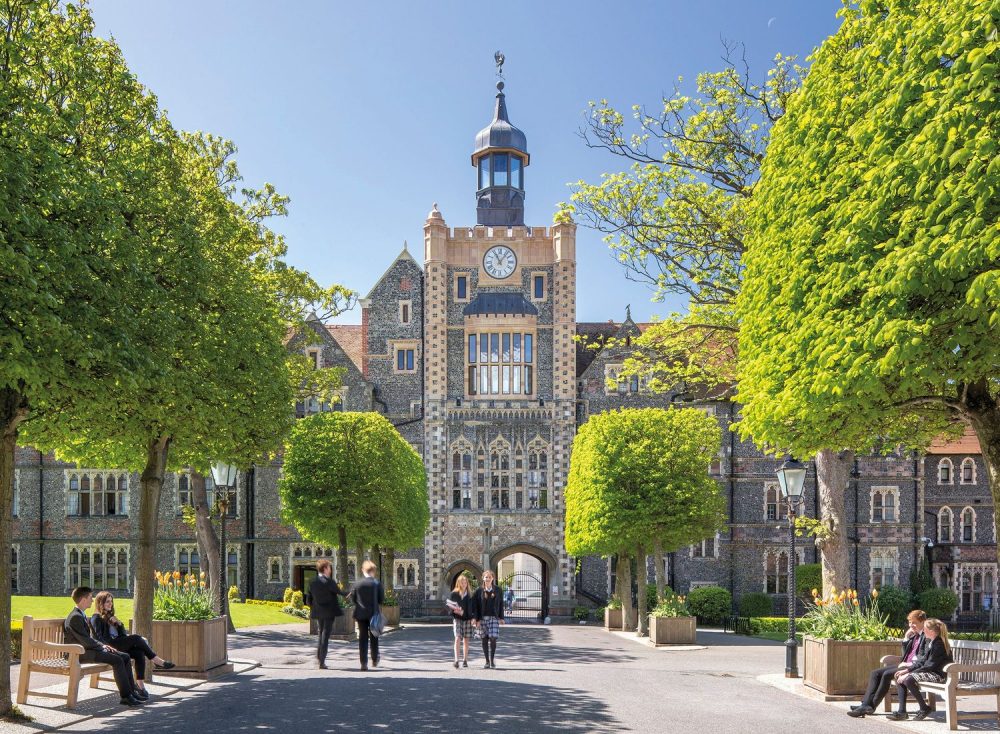
Brighton College, established in Sussex in 1845, has expanded globally since 2011, now with an international network spanning Singapore, Thailand, Vietnam and UAE. Europe is its next focus, with schools opening in Madrid and Rome from September 2027 and Lisbon promised for 2028.