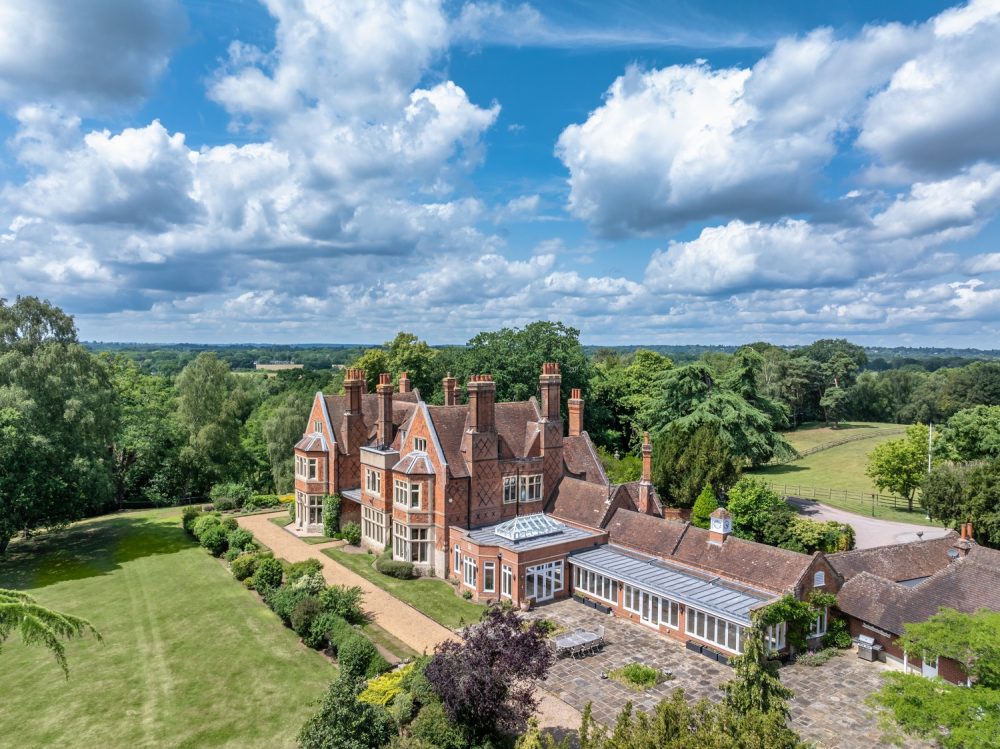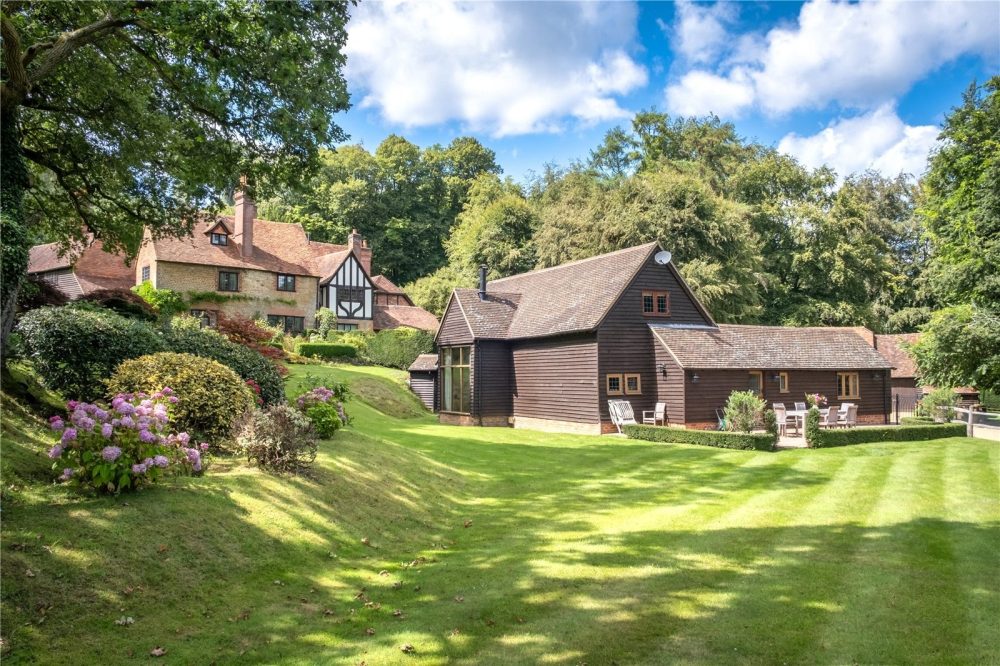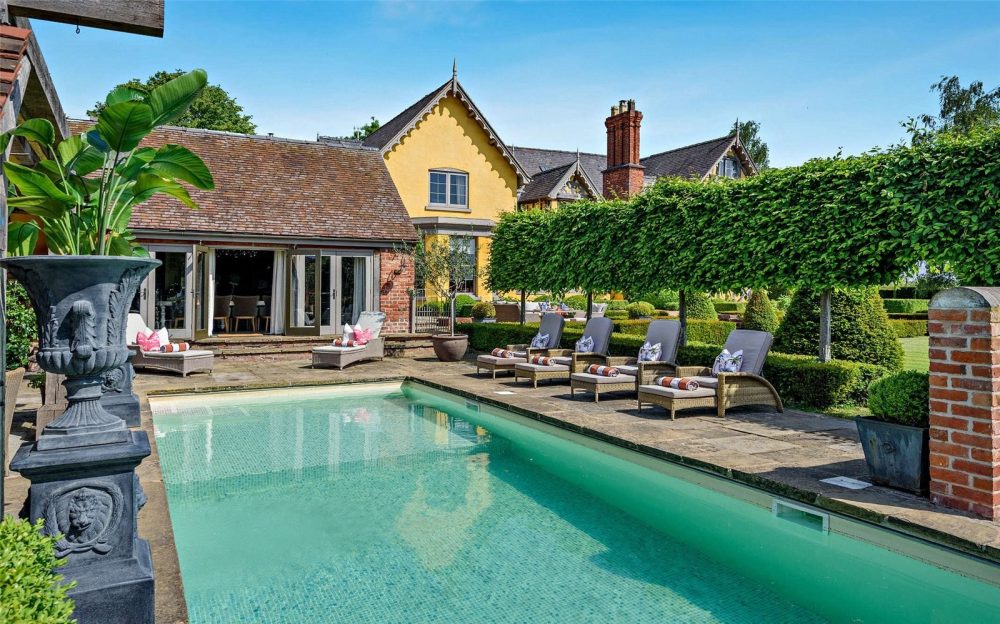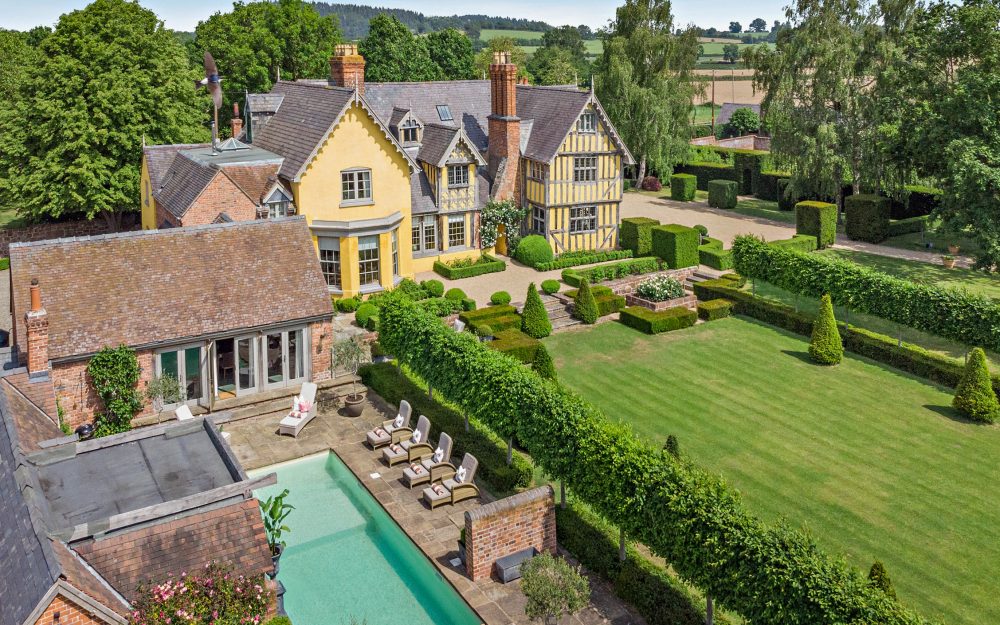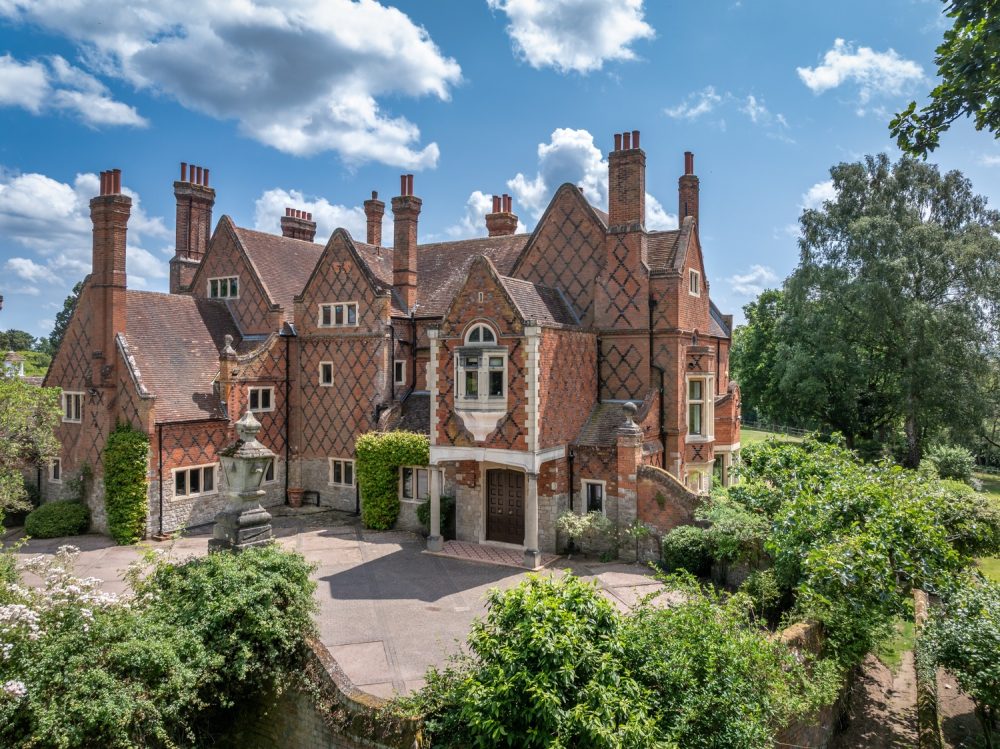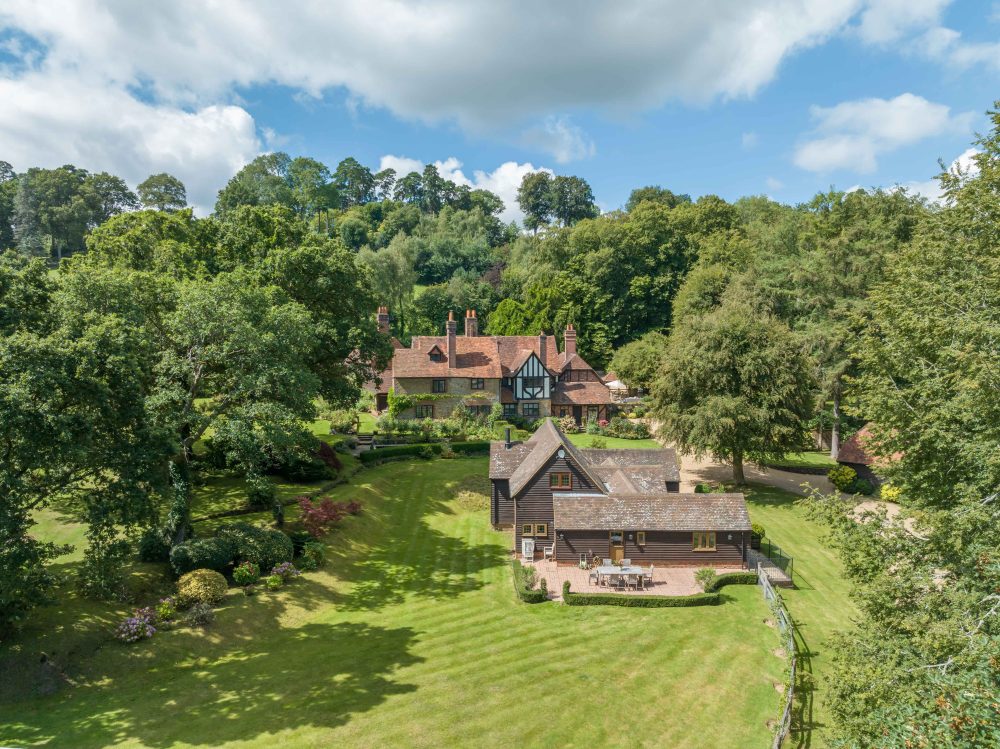

The Victorian polymath John Ruskin wrote: “The greatest glory of a building is not in its stones, or in its gold. Its glory is in its age.” And this historic appeal is certainly a great deal of the charm for buyers who fall for country houses. Yet how can the age of these homes be respected while making the layout and facilities fit for 21st-century life?
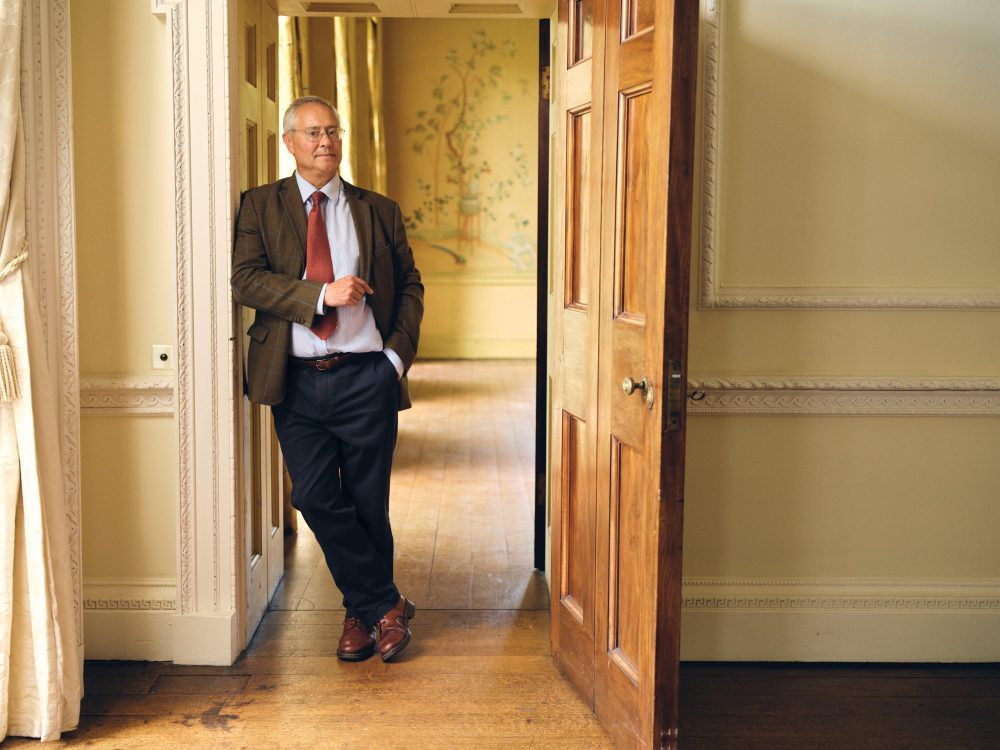
Nick Cox, palace architect at Blenheim Palace whose eponymous architecture firm Nick Cox Architects, specialises in the repair and conservation of historic buildings, says: “When I first look at a house, I think: what are the spaces that are just perfect and you don’t need to touch them? And what are the ones that have been altered and how do you make them lovely again? This is the key to making a house sing and creating alterations to suit modern living.”
Buyers today seek generous living spaces that connect logically, says Phillippa Dalby-Welsh, head of Savills Country Department. “The kitchen is typically the most used room but historically it was ‘back of house’ – a smaller functional space occupied by staff. Now, people desire large kitchens in a central or dominant position on the ground floor, with formal and informal reception spaces leading off it.”