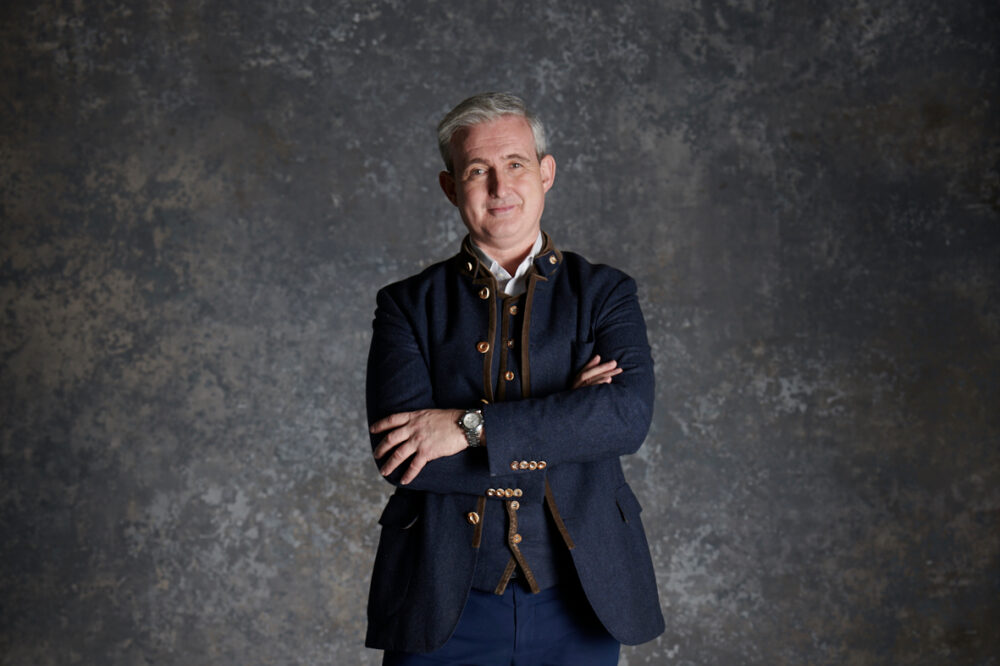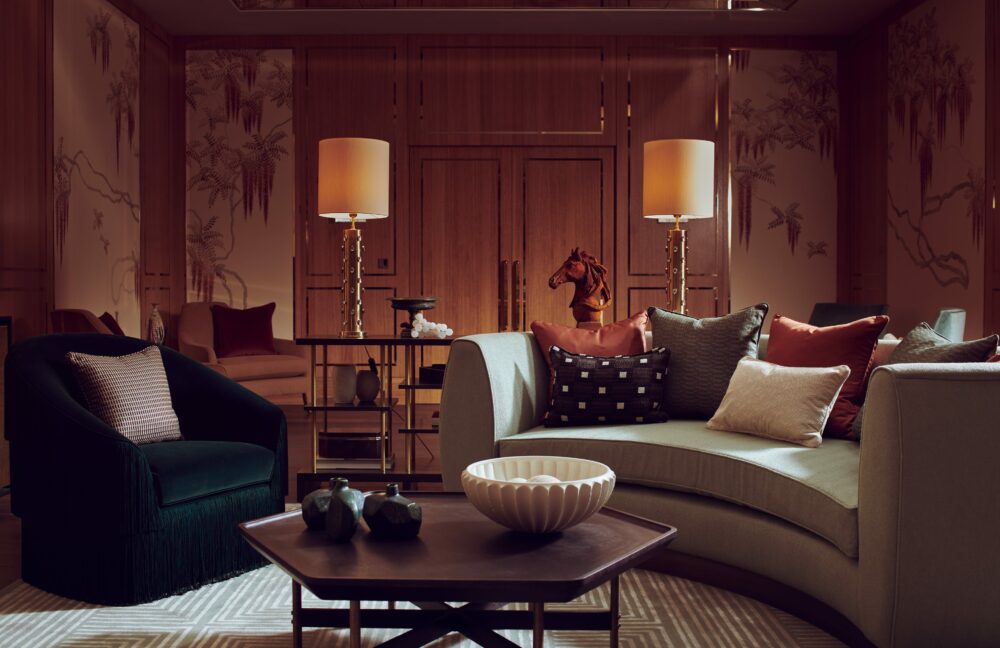

Tim Gosling used to watch his clients’ eyes glaze over when he talked about furniture that would last for centuries. The London-based interior and furniture designer would extol the virtue of pieces built to survive 100 or 200 years, only to be met with polite indifference. Not any more. “Now people are definitely looking for things that have longevity in their structure, that are more substantial, that they could pass on,” he says.
While monitoring the carbon footprint has become the baseline for sustainable design, longevity is moving to the forefront of environmental thinking. The principle is simple: to eliminate waste, choose durable, adaptable materials and timeless schemes that resist the tyranny of trends. It’s about fine craftsmanship, intentional design and creating pieces that can be repaired, adapted and cherished for generations.
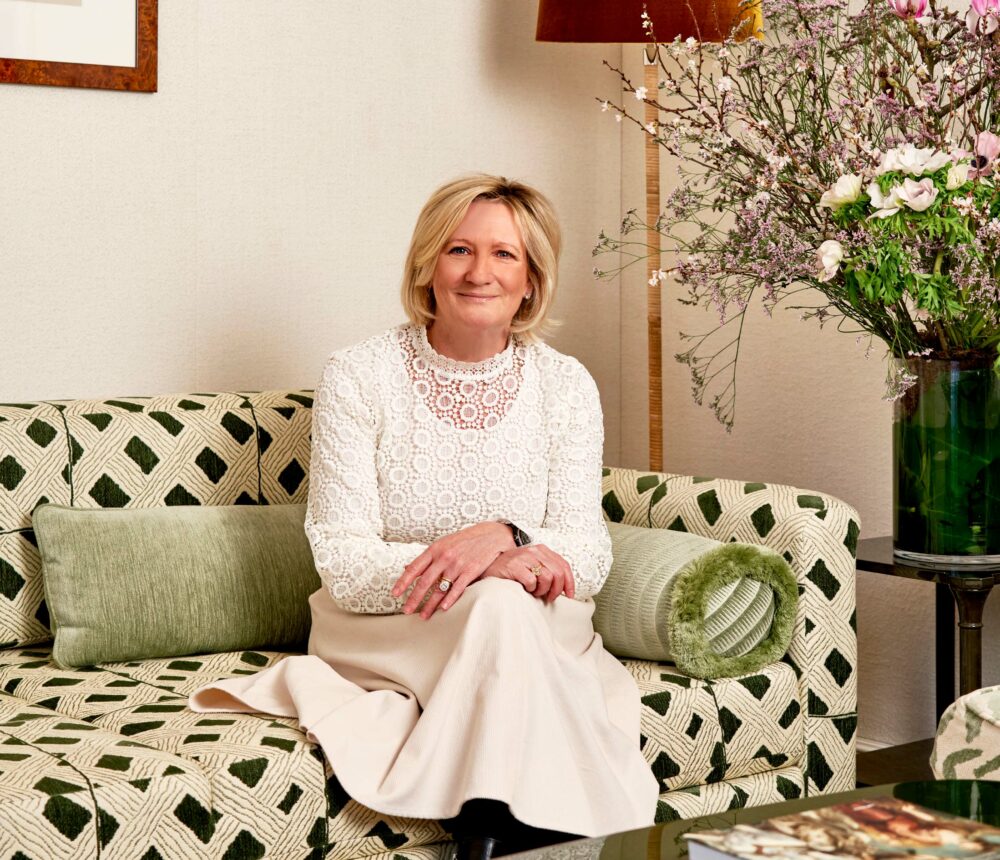
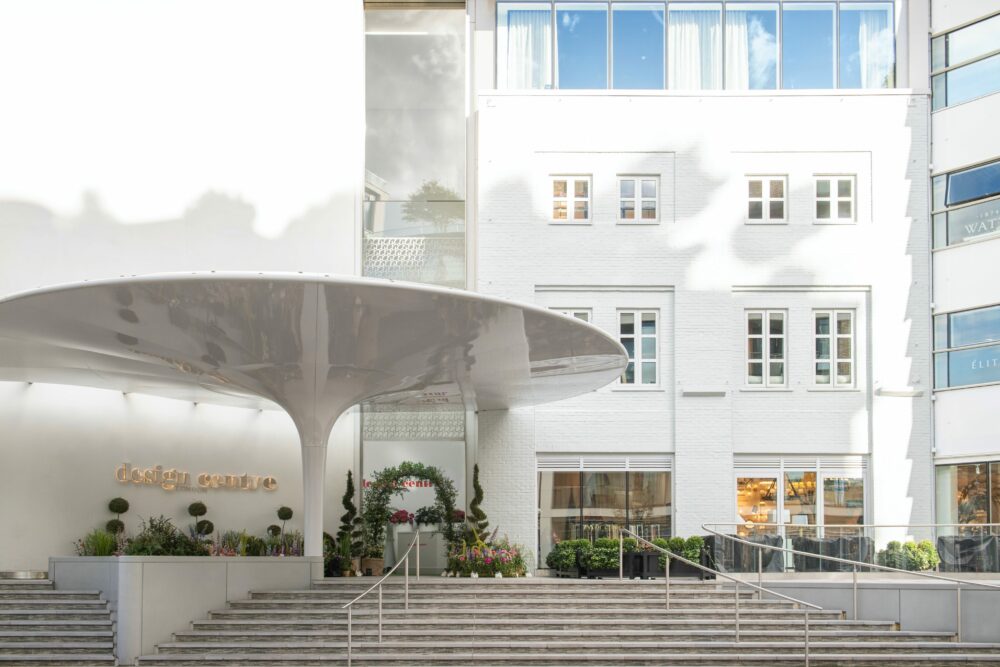
Claire German, CEO of Design Centre, Chelsea Harbour in west London, has watched this awareness grow among both the centre’s creatives and their clients. “We are all far more conscious of the environmental impact of what we consume,” she says. “Designing for longevity responds to concerns about sustainability, waste and overconsumption, but it also reflects a broader cultural shift. People want to invest in pieces and spaces that have meaning, heritage and staying power.