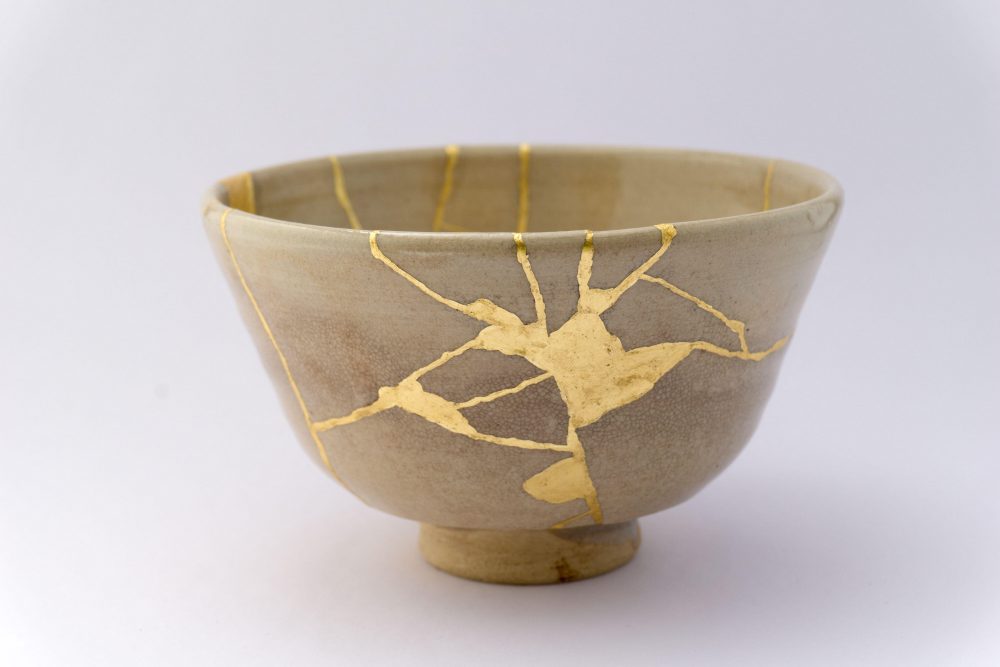

Elevating the art of repair is an idea often talked about when it comes to the artful concealment of moth holes in cashmere, rips in paper lamps or splits in table legs. It has been slower to reach our consciousness in the context of the buildings we live in. Yet the philosophy from which it derives – kintsugi, the ancient Japanese practice of mending broken ceramics with gold lacquer – is now expanding into architecture, with practitioners championing thoughtful repairs that redefine the buildings we live in, giving them a new identity. And about time too, says Phineas Harper, architectural curator, writer and one of the loudest voices in the UK advocating repair over renewal for our homes and public buildings.
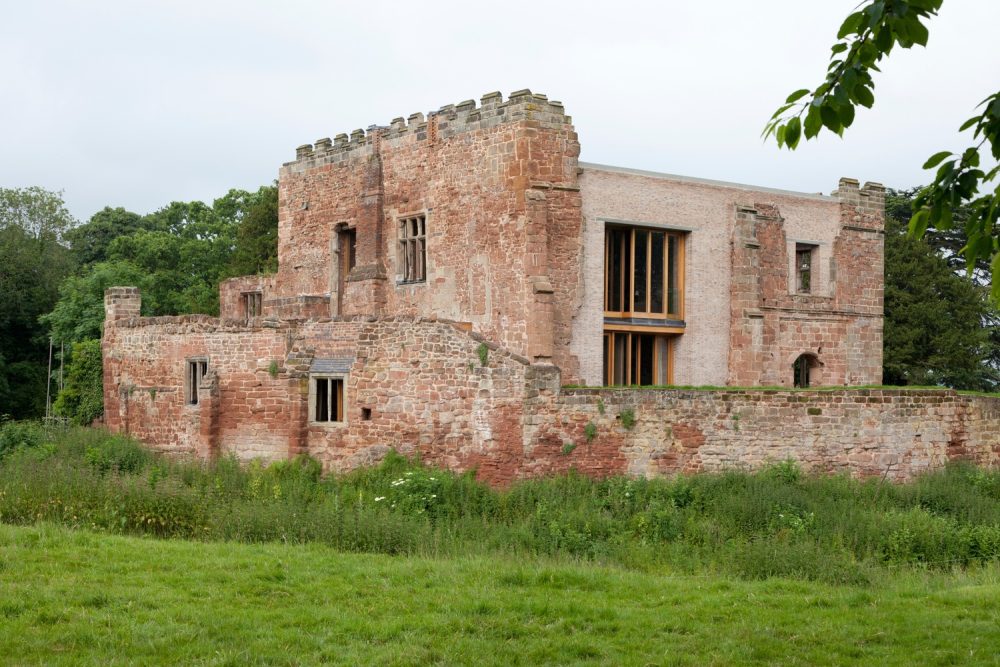
For Harper, it’s all about waste: “The vast majority of British waste is from construction. And it’s not like crisp packets and plastic cups – it is building rubble.” Harper leads the Architecture of Repair research project and is writing a book on the subject. They cite the revival of Astley Castle by Witherford Watson Mann, imaginatively taken from ruin to holiday home, as a benchmark project. Far from a conventional restoration job, it used repair to make a new building with the ruins of the old. It also opened minds to the possibility that doing so can surpass the appeal of wholesale renewal.