
Henri Matisse was still a young artist searching for his direction when he first travelled south to the Mediterranean with his wife, Amélie, on their honeymoon in 1898. What he encountered was radically different from the grey northern light he knew: stronger colour, sharper contrasts, a landscape in which light itself seemed to alter what could be seen. He felt transformed.
Matisse returned repeatedly, travelling to Saint-Tropez in 1904, where he experimented with Paul Signac’s Pointillism, and to Collioure the following summer with André Derain. There, in nine extraordinary weeks, the two artists abandoned descriptive colour to paint what they felt rather than simply what they saw. Fauvism was born. As Derain later recalled: “Colour became sticks of dynamite. They were primed to discharge light.”
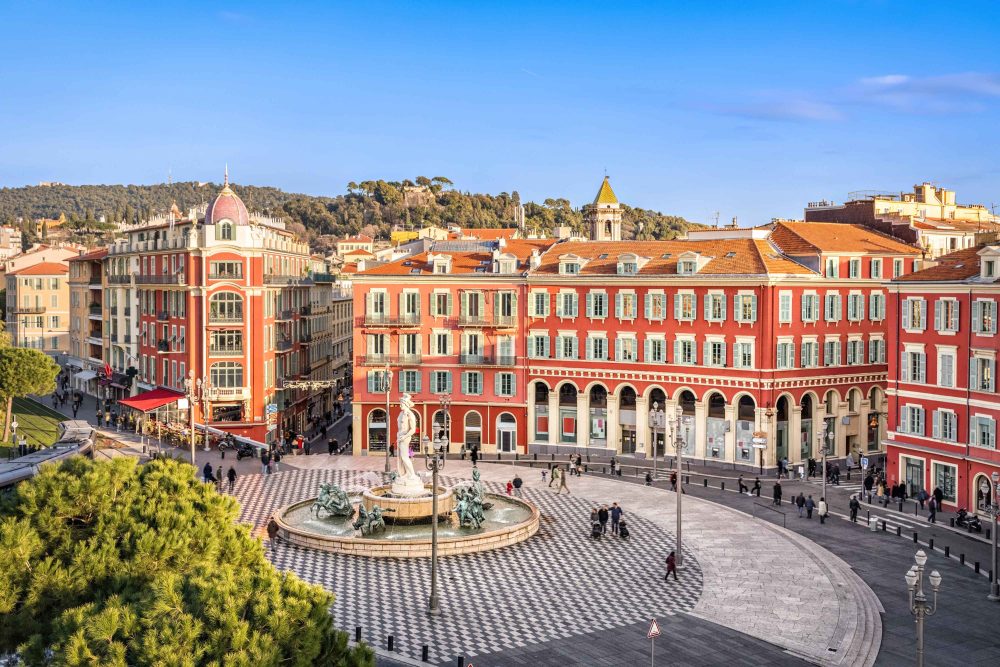
When Matisse arrived in Nice in December 1917, aged 47, the young painter searching for a visual language had become one of the most celebrated artists of the European avant-garde. Yet the Riviera was about to change his work again. “When I realised that every morning I would see this light again, I could not describe my joy,” Matisse said. He would remain bound to Nice for the rest of his life.